What Is a Modular Container? A Complete Guide for Modern Businesses
Modern construction is evolving rapidly, and modular containers are becoming one of the most efficient solutions for commercial, residential, and industrial spaces. Businesses today want fast, flexible, and cost-effective infrastructure, and modular container buildings deliver exactly that.
In this guide, you’ll learn:
• What a modular container is
• How modular containers are built
• The advantages over traditional construction
• Where modular containers are used
• Why modern businesses are switching to modular container solutions
What Is a Modular Container?
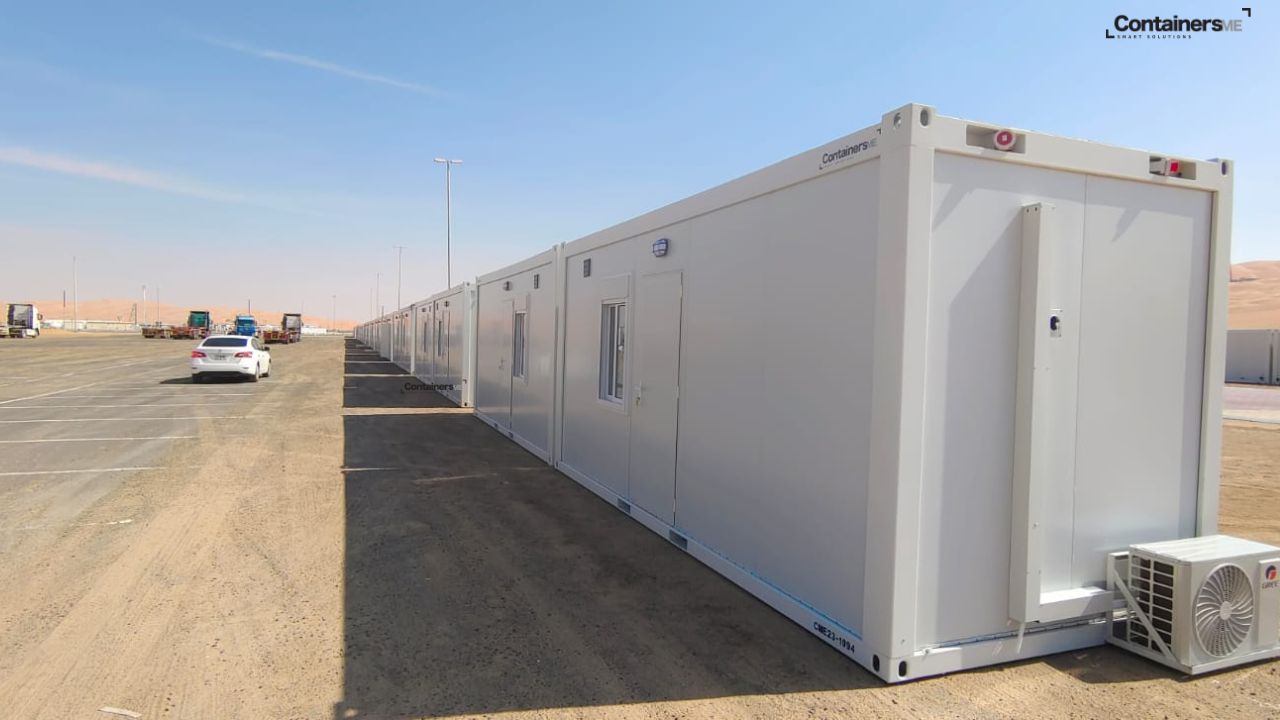
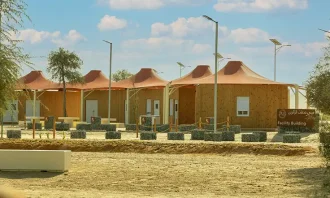
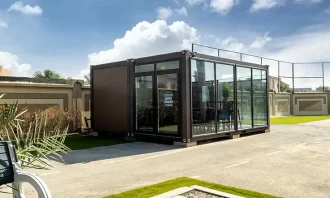
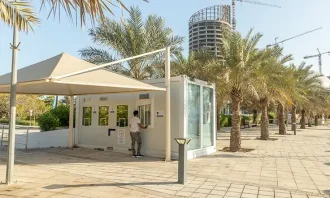
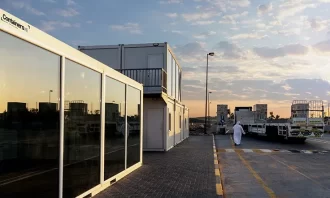
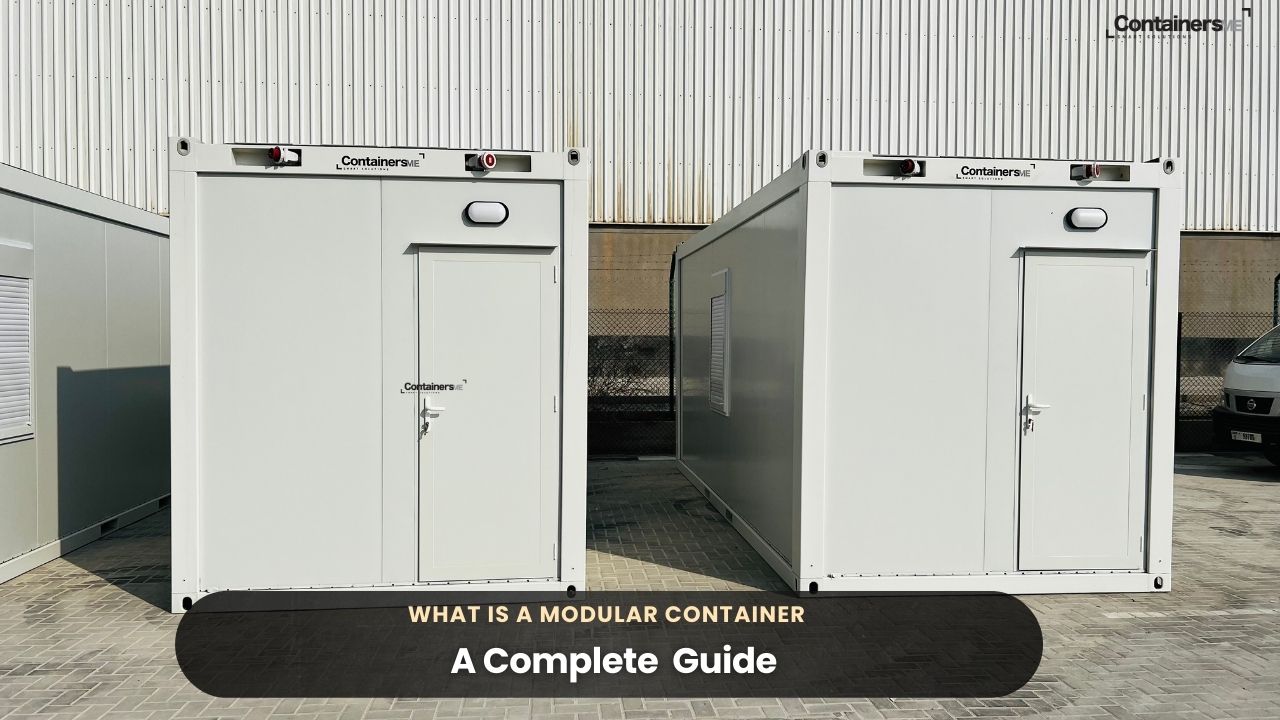
A modular container is a prefabricated building unit designed to be transported, installed, and expanded easily. These containers are manufactured in factories and then delivered to a site where they are assembled into functional spaces such as offices, storage units, homes, cafes, shops, or accommodation facilities.
Unlike traditional buildings that are constructed entirely on-site, modular containers are built off-site in controlled environments, which allows faster construction, better quality control, and lower costs.
Multiple container modules can be combined, stacked, or expanded to create larger buildings or complexes.
Understanding Modular Containers in Simple Terms
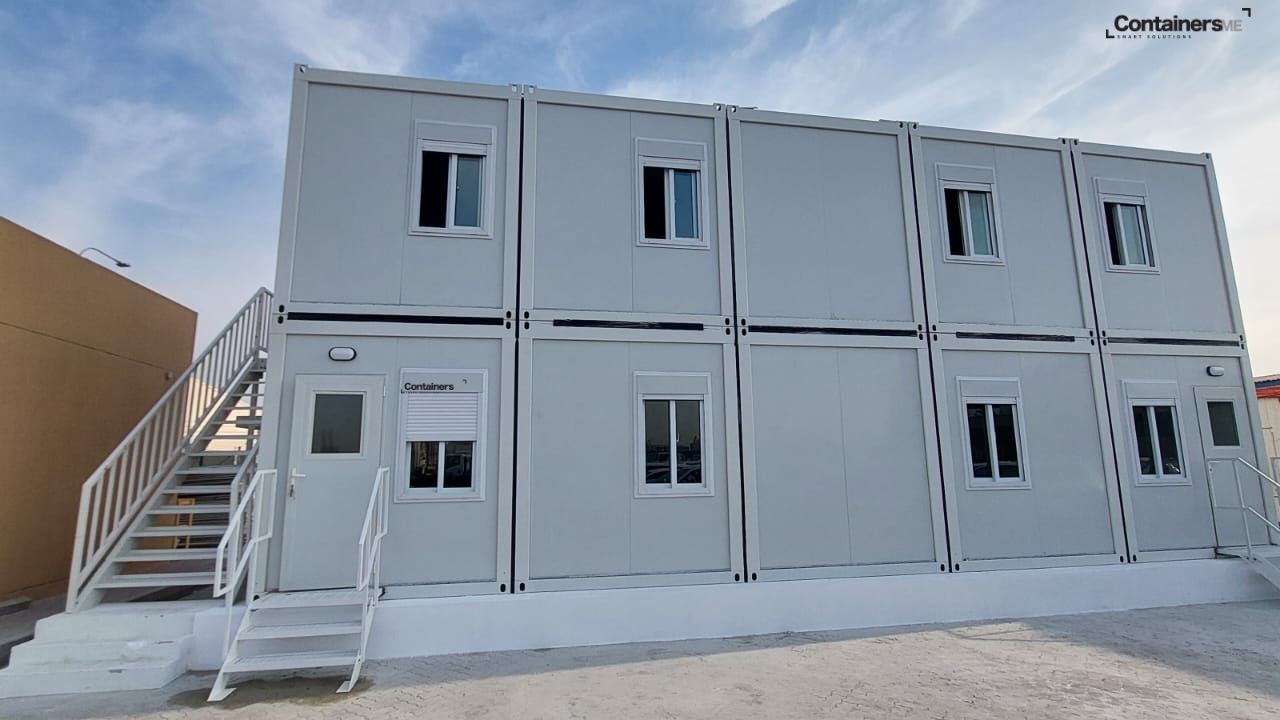
Think of modular containers like building blocks for modern architecture.
Each container module functions as a self-contained structure that can be connected with other modules to form larger buildings.
A single modular container can be used as:
• Portable office
• Storage container
• Retail shop
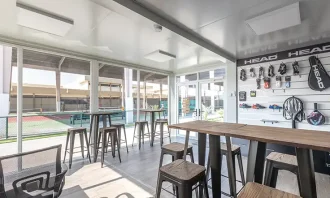
• Coffee shop or kiosk
• Accommodation unit
• Site office
• Security cabin
• Residential unit
Because the modules are standardized, they can be easily transported, relocated, and reconfigured when needed.
How Modular Containers Are Built
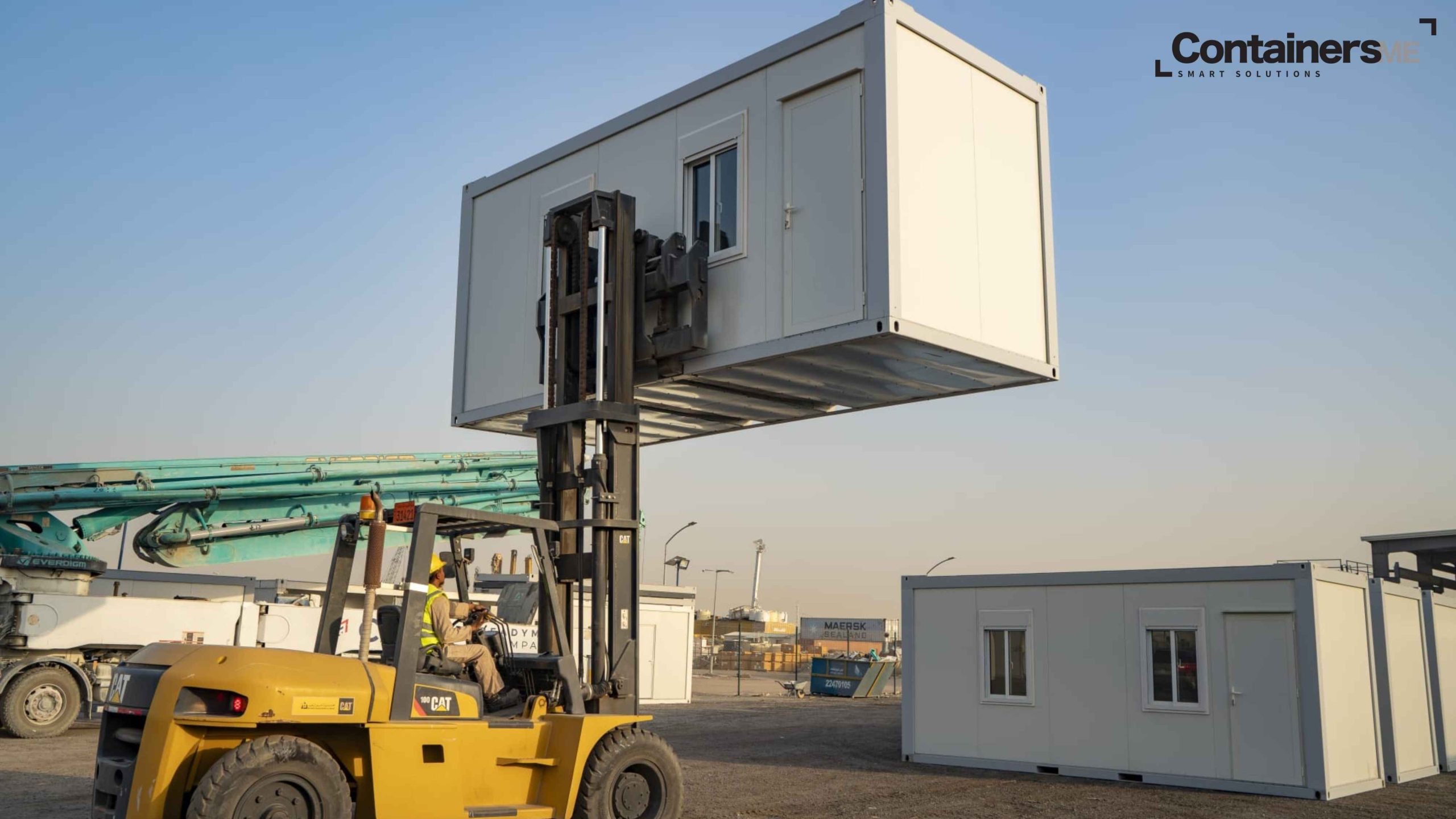
The modular container construction process is different from traditional building methods.
1. Factory Manufacturing
Containers are built in factories using steel frames and insulated panels, ensuring consistent quality and structural durability.
2. Interior Customization
Manufacturers install:
• Electrical systems
• Insulation
• Doors and windows
• Plumbing (if needed)
• Interior finishes
3. Transportation to Site
The finished modules are transported to the installation location.
4. On-Site Assembly
Modules are connected and installed quickly, often within days instead of months.
This process allows construction to be up to 50% faster than traditional building methods.
Key Features of Modular Containers
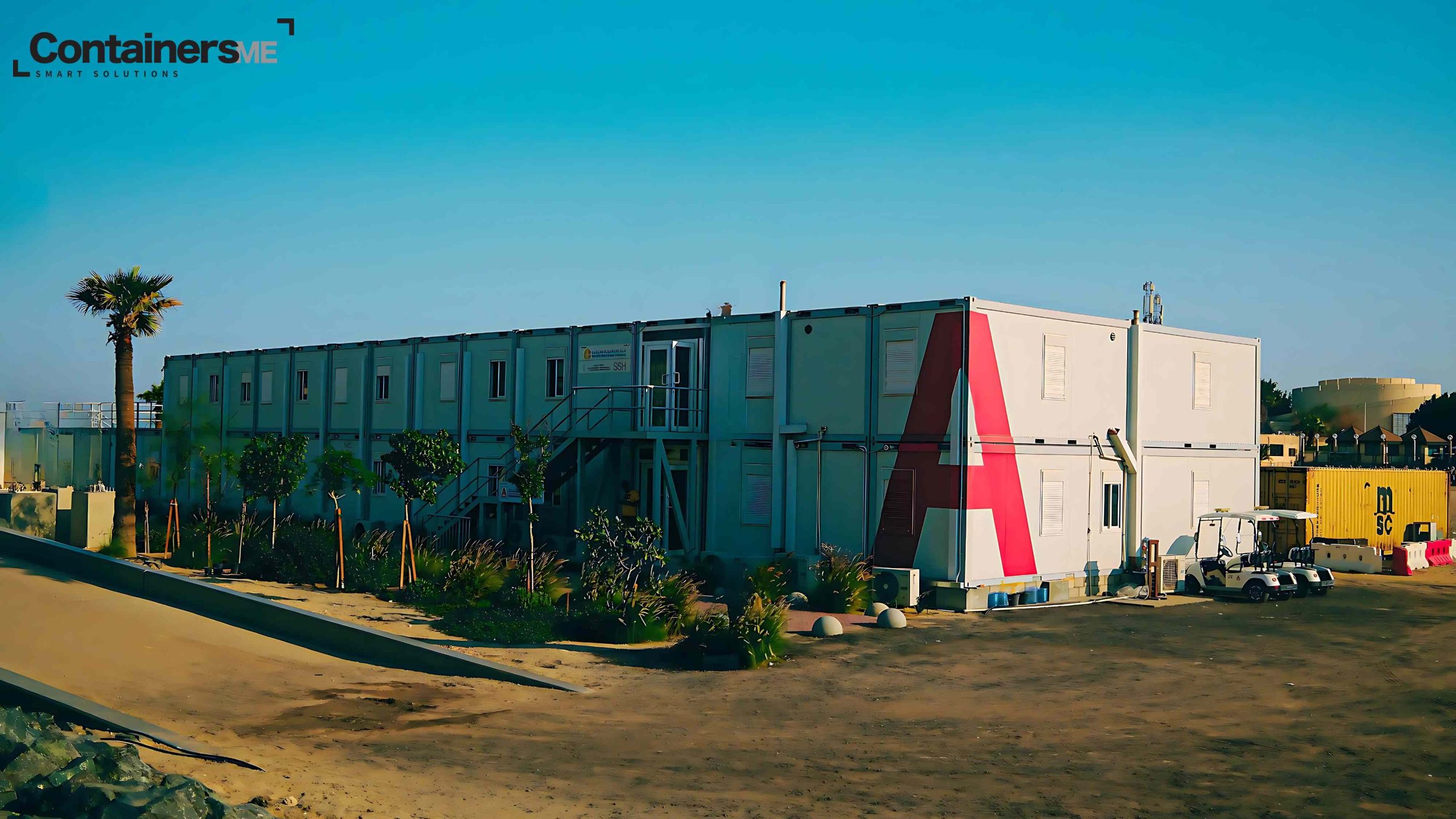
Modern modular containers offer several important characteristics:
1. Modular Design
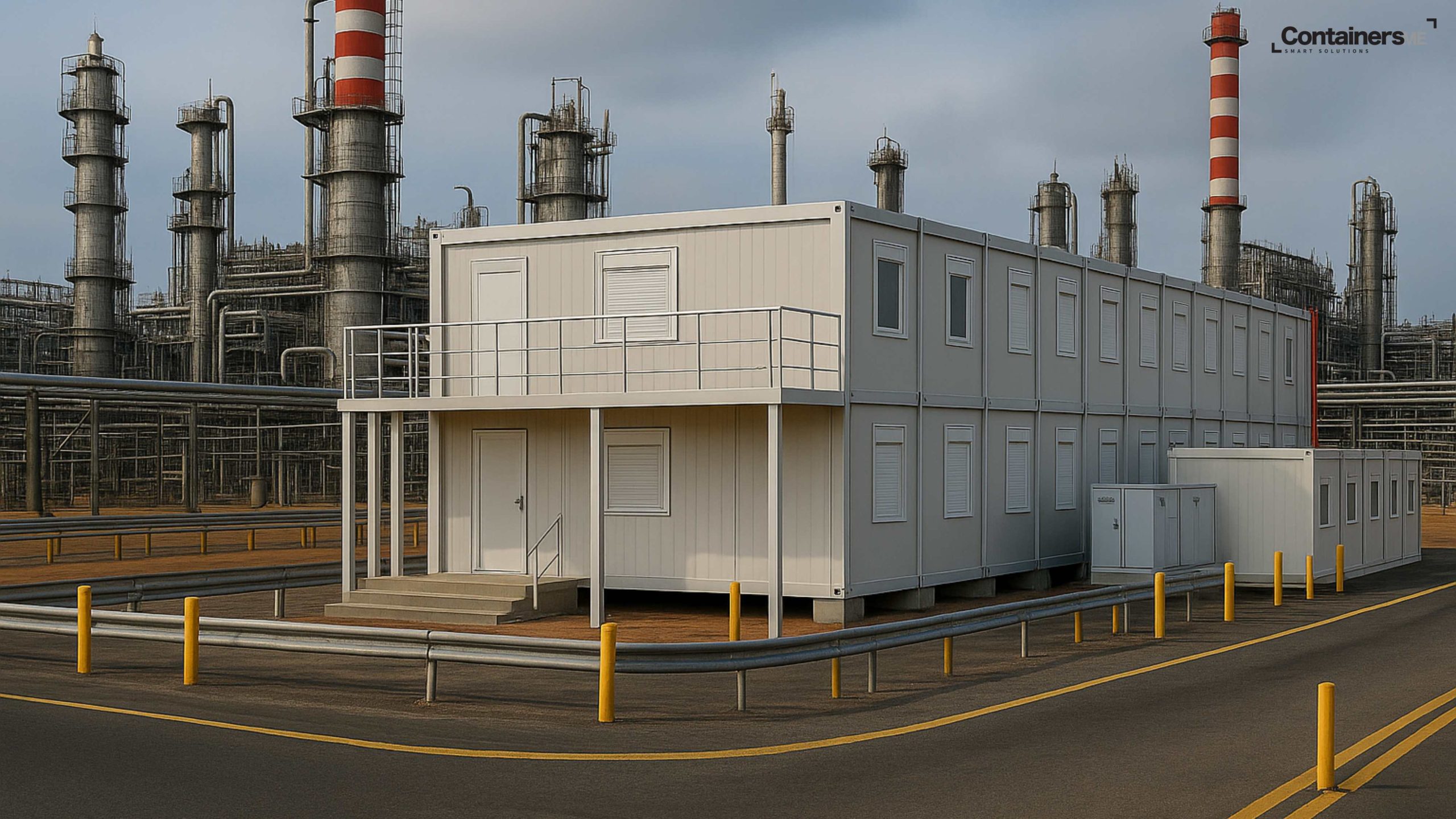
Units can be combined and stacked to create multi-room or multi-story structures.
2. Portability
Containers are easy to relocate when business needs change.
3. Durability
Steel structures provide strong resistance to weather, corrosion, and heavy use.
4. Energy Efficiency
Many modular containers use insulated sandwich panels to improve temperature control.
5. Fast Deployment
Because modules are prefabricated, buildings can be operational much faster than conventional construction.
Advantages of Modular Containers
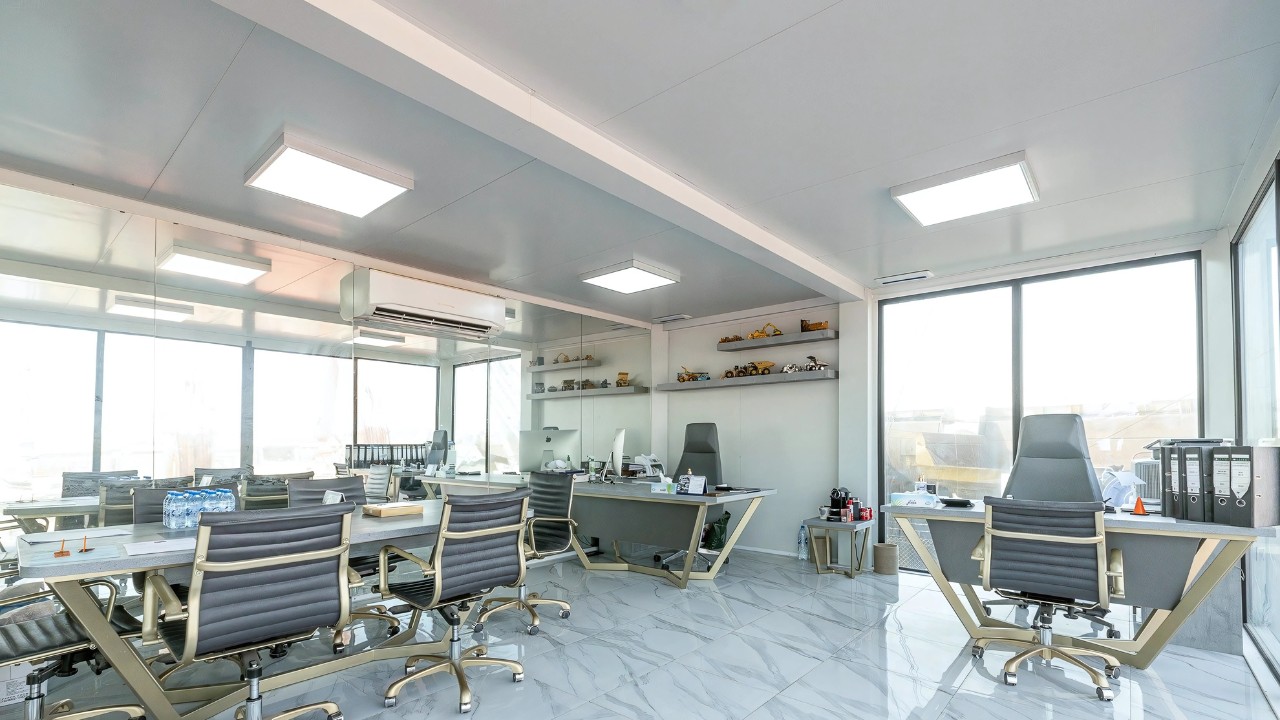
1. Faster Construction
Modular containers are manufactured off-site while site preparation happens simultaneously. This significantly reduces project timelines.
For businesses, this means:
• Faster project completion
• Faster business launch
• Faster return on investment
2. Cost Efficiency
Modular container buildings require:
• Less labor
• Less construction time
• Less material waste
This makes them more cost-effective than many traditional construction projects.
3. Flexibility and Scalability
One of the biggest advantages is the ability to expand easily.
Containers can be:
• Connected horizontally
• Stacked vertically
• Expanded as business needs grow
This makes them ideal for growing companies and temporary facilities.
4. Relocation and Mobility
Unlike permanent buildings, modular containers can be moved to different locations.
This is especially useful for:
• Construction sites
• Events
• Temporary offices
• Pop-up retail spaces
5. Sustainability
Modular construction reduces environmental impact by:
• Minimizing construction waste
• Improving energy efficiency
• Using recyclable materials
Factory manufacturing also allows more efficient resource management.
Common Uses of Modular Containers
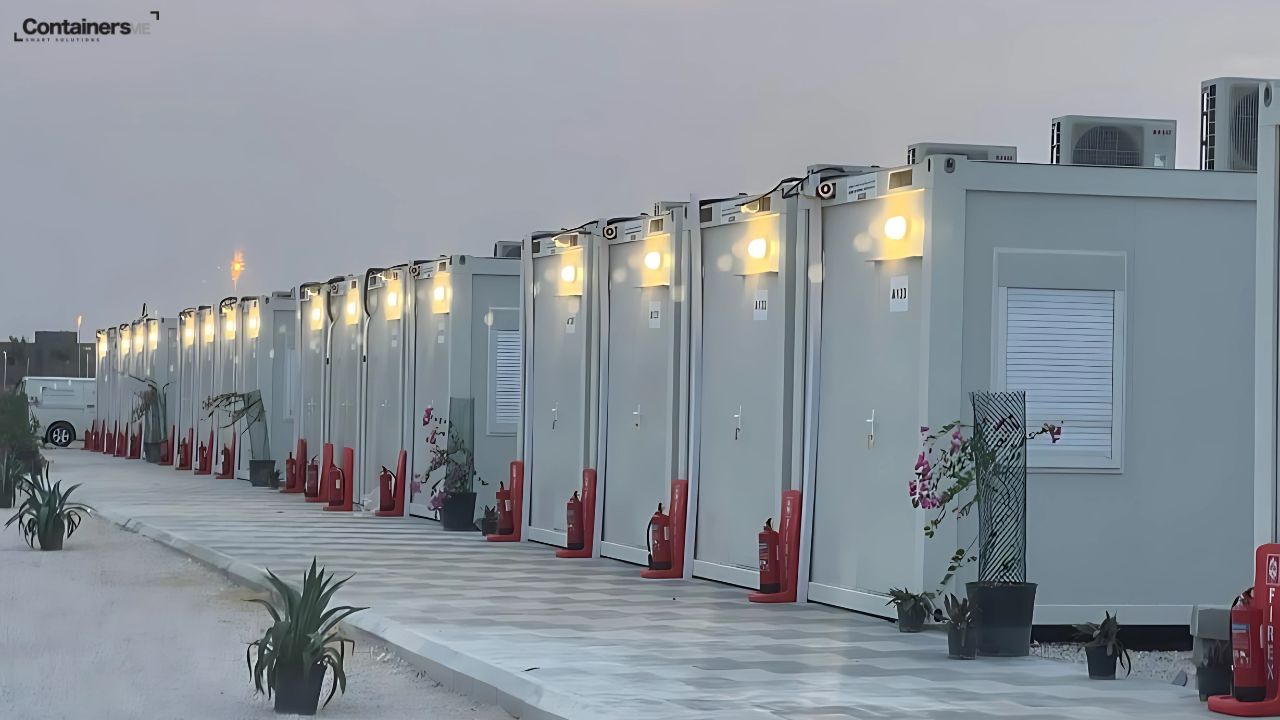
Modular containers are used across many industries.
Commercial
• Retail shops
• Cafes and kiosks
• Exhibition stands
Construction
• Site offices
• Worker accommodation
• Storage units
Residential
• Container homes
• Staff accommodation
• Temporary housing
Industrial
• Equipment rooms
• Technical control units
• Modular storage spaces
Their versatility makes them suitable for both temporary and permanent infrastructure.
Modular Containers vs Traditional Shipping Containers
Many people confuse modular containers with shipping containers, but they are not the same.
| Feature | Modular Containers | Shipping Containers |
| Purpose | Designed for buildings | Designed for cargo transport |
| Insulation | High insulation panels | Usually none |
| Comfort | Built for human use | Requires heavy modification |
| Customization | Fully customizable | Limited |
| Approval | Easier regulatory approval | Often difficult |
Modern modular containers are purpose-built structures, not recycled cargo boxes.
Why Businesses in the UAE Are Switching to Modular Containers
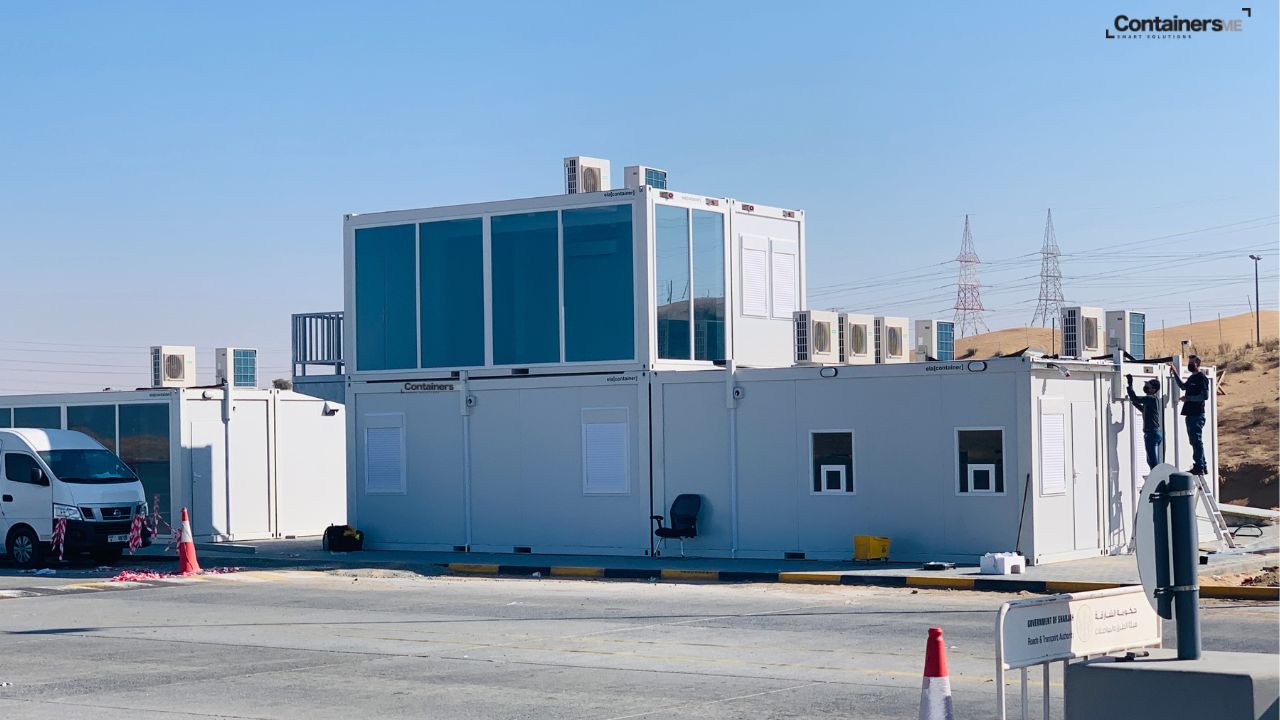
In fast-growing markets like Dubai and the UAE, companies need infrastructure that can be deployed quickly.
Modular containers offer:
• Rapid installation
• Cost efficiency
• Scalability
• Flexibility for changing projects
This makes them ideal for:
• Construction companies
• Real estate developers
• Retail startups
• Event organizers
Choosing the Right Modular Container Provider
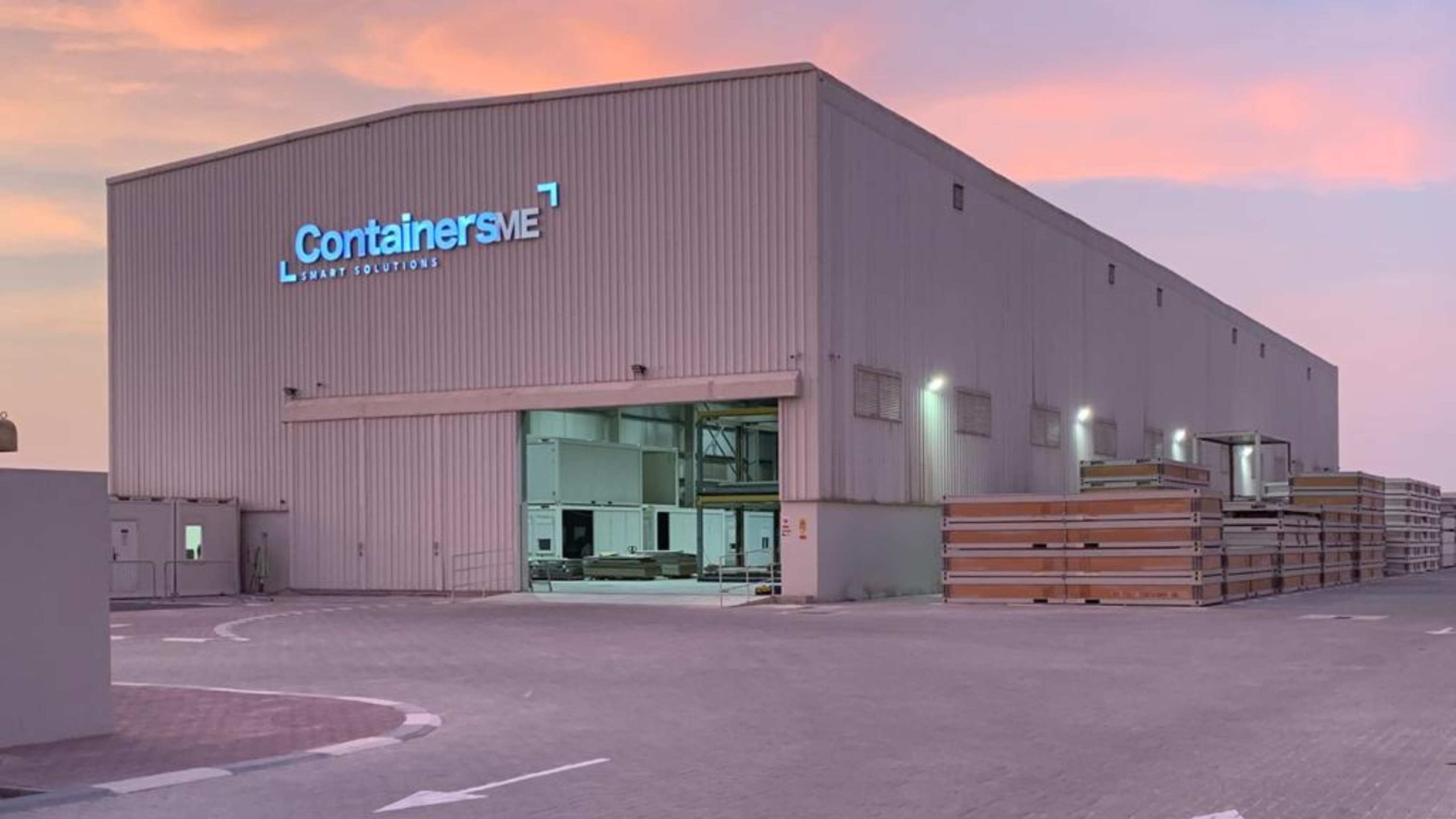
Not all container providers offer the same quality.
When choosing a supplier, consider:
• Structural quality
• Insulation performance
• Customization options
• Compliance with local regulations
• Delivery speed
• After-sales support
Companies that manufacture purpose-built modular containers using insulated panels provide better long-term performance than traditional shipping container conversions
Why Containers ME Is a Better Modular Container Solution
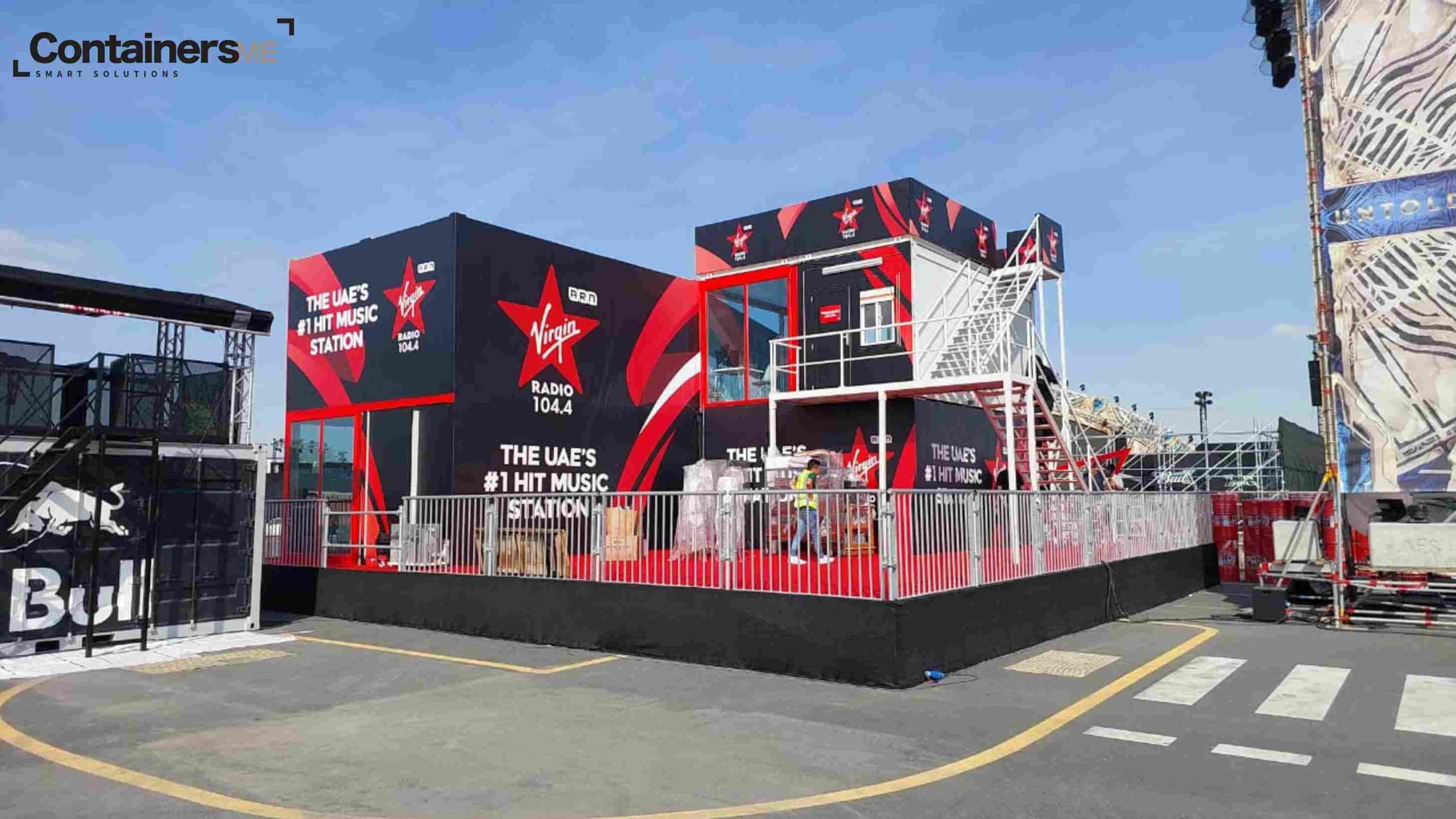
If you are looking for modular container solutions in the UAE, Containers ME provides modern, purpose-built container systems designed for real business use.
Their modular containers are:
• Brand new (not used shipping containers)
• Built with insulated sandwich panels
• Energy-efficient and weather resistant
• Easy to relocate
• Easier to approve with local authorities
• More cost-effective for long-term use
Businesses can use them for:
• Modular offices
• Storage containers
• Container cafes
• Retail shops
• Container homes
The Future of Modular Container Buildings
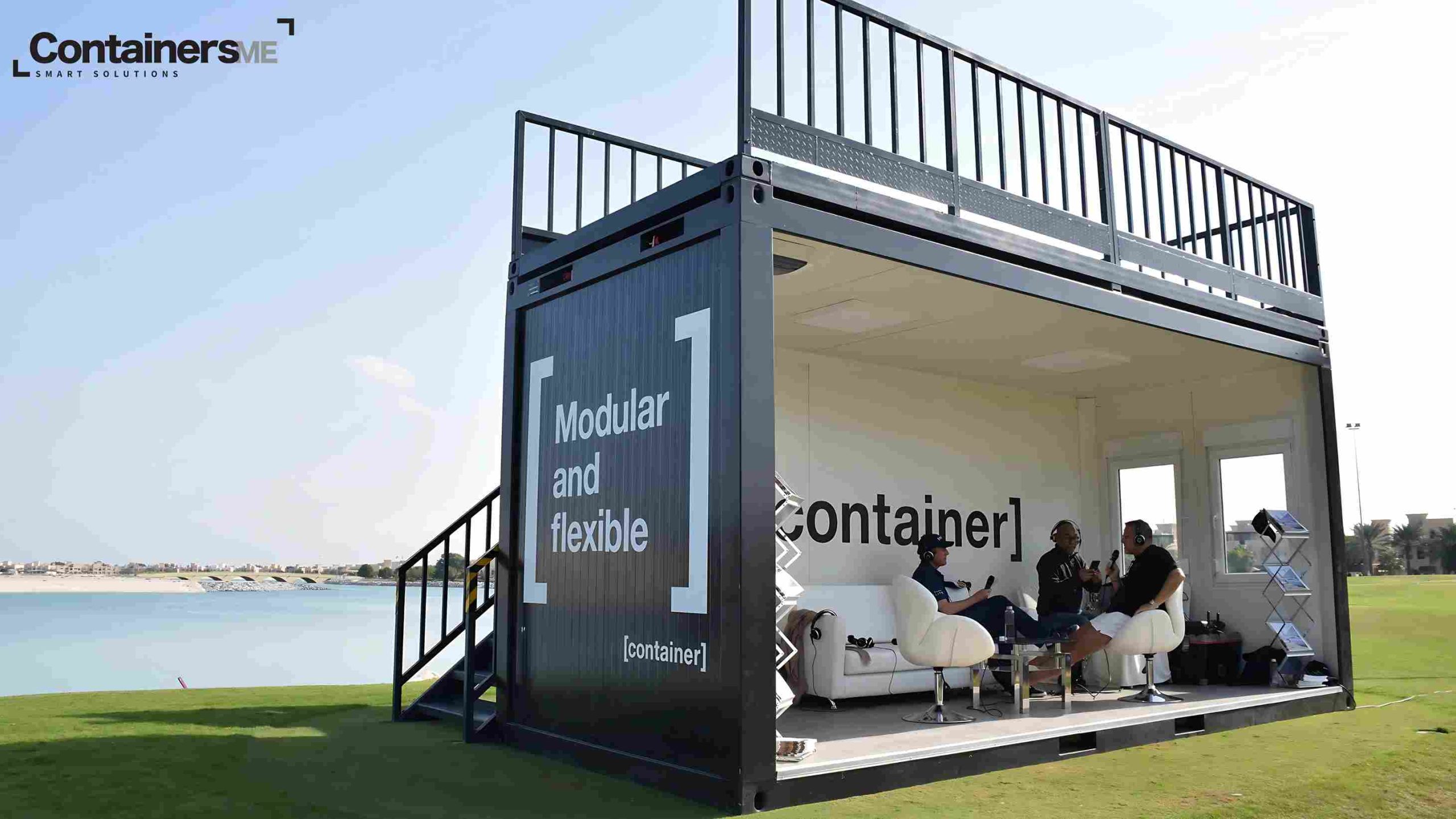
As cities grow and construction timelines tighten, modular containers are becoming a key part of modern infrastructure.
Developers and businesses are increasingly choosing modular container buildings because they provide:
• Faster development
• Lower costs
• Greater design flexibility
• Sustainable construction methods
With the demand for flexible and scalable buildings rising worldwide, modular containers are no longer just temporary structures—they are becoming a core part of modern architecture.
Final Thoughts
A modular container is more than a portable structure. It represents a smarter approach to construction, combining speed, flexibility, and efficiency.
Whether used for offices, homes, storage, or retail spaces, modular containers offer a practical solution for modern businesses that need adaptable infrastructure.
For companies in the UAE looking for reliable modular container systems, working with experienced manufacturers like Containers ME ensures high-quality, durable, and customizable solutions built for real-world use.